
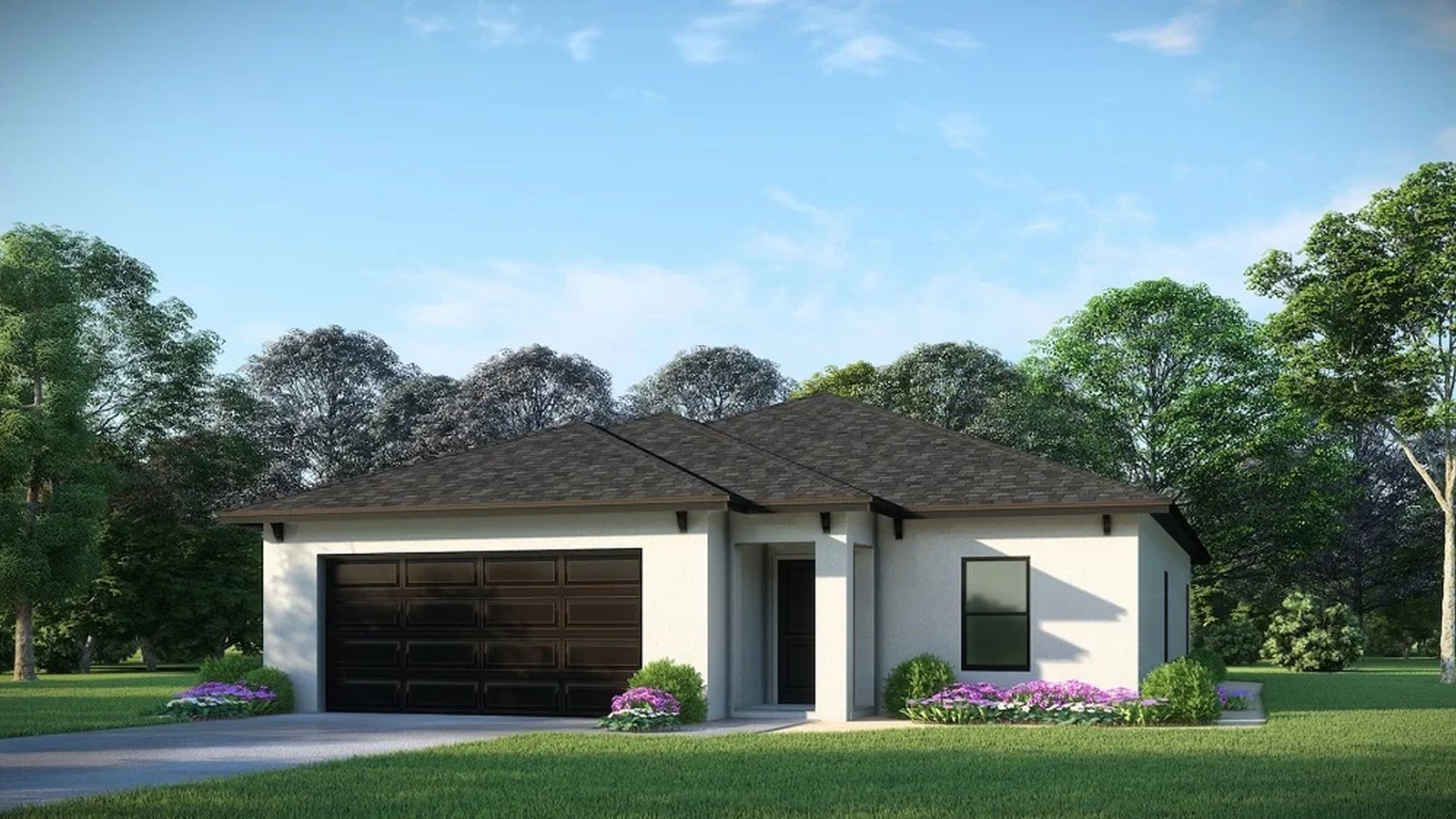
Building on Your Own Lot vs. a Builder-Owned Lot in Lee County: What Changes About Cost, Permitting, and Your Move-In Date
You've decided on a new construction home in Lee County. The next question is one most buyers don't expect to face: do you buy a lot yourself and have a home built on it, or do you buy a home the builder is putting on a lot they already own?
Both routes end with you in a new house. They differ in what you pay, when you pay it, how long it takes, and how much of the process you're personally responsible for. Here's what actually changes.
The two paths
Building on your own lot. You purchase the land separately — through a realtor, at auction, or from a private seller — and then contract with a builder to construct a home on it. You own the land from day one, and the build is a separate transaction.
Buying on a builder-owned lot. The builder already owns the parcel. You buy the finished home, or contract for a home on that specific lot, and the land and house come together in one purchase and one closing.
What changes about cost
The total number often lands closer together than people expect. What differs sharply is the timing of the money and where the risk sits.
On your own lot, the land is a separate purchase, usually in cash or with a lot loan. Lot loans typically want 20–35% down and carry higher rates than a mortgage, because raw land is riskier collateral. You then finance construction separately — usually a construction-to-permanent loan, which involves a second qualification process, draw inspections, and interest-only payments during the build.
You also own every cost of making that specific parcel buildable. That's where the surprises live:
- Clearing and fill — Lee County lots frequently need substantial fill to meet elevation requirements, and fill has gotten expensive
- Utility connections, which vary enormously by location; the city water versus well and septic question changes the math significantly, and we broke that down in city water vs. well and septic in Cape Coral
- Driveway, culvert, and access work
- Survey, soil testing, and any environmental review
- Impact fees and permit costs, which are the same either way but land on you directly
On a builder-owned lot, those site costs are already priced into the home. The builder knows what that parcel needs because they bought it knowing, and they've likely developed several nearby. One closing, one loan, standard mortgage terms, and a down payment on the total rather than a large cash outlay for land followed by a construction loan.
The tradeoff is that you're accepting the builder's assessment of what the site costs — and giving up the possibility of finding an unusually good deal on land.
What changes about permitting
The permitting itself doesn't change. Lee County's requirements are the same regardless of who owns the lot. What changes is how predictable the path is.
On your own lot, everything gets verified for the first time on your parcel: zoning and allowed use, setbacks, lot coverage, flood zone designation and required finished floor elevation, utility availability, and any deed restrictions or HOA architectural requirements attached to the property.
Most of that should be confirmed before you close on the land, not after. The classic and painful mistake is buying a lot and then discovering that the flood zone requires more fill than budgeted, or that the setbacks won't accommodate the floor plan you had in mind.
On a builder-owned lot, that work is largely done. The builder has confirmed the parcel supports the plans they're offering, has usually pulled permits on identical homes nearby, and knows the review timeline for that jurisdiction. Fewer variables, fewer opportunities for a several-month surprise.
What changes about your move-in date
This is where the two paths differ most, and it's the one buyers underestimate.
On your own lot, the clock starts well before construction. You need time to find and close on land, complete due diligence, finalize plans for that specific parcel, secure construction financing, and go through permitting — all before the first truck arrives. Realistically that's several months of front-end work on top of the build itself.
Site work also takes longer on an undeveloped parcel. Clearing, fill, compaction, and settling time are real weeks, and in a Florida summer, weather delays are not hypothetical.
On a builder-owned lot, much of that front-end has happened. Site work may already be complete or underway. If it's a home already under construction, you may be looking at a matter of months rather than most of a year.
What changes about the house itself
On your own lot, you have more latitude in siting — how the house is oriented, where it sits on the parcel, how it relates to the trees and the view. Orientation matters more in Southwest Florida than people assume, and it's worth being deliberate about; we covered that in matching a floor plan to your lot.
On a builder-owned lot, siting is generally set. You're choosing among the plans that fit that parcel and the elevations and finishes offered with them.
Which one fits you
Building on your own lot makes sense when:
- You already own land, or you've found a parcel with a location you can't get otherwise
- You have cash for the land and can carry a construction loan
- Your timeline has room — you're not selling a house or ending a lease on a fixed date
- You're comfortable doing real due diligence before closing on land
- Siting and orientation genuinely matter to you
Buying on a builder-owned lot makes sense when:
- You want one transaction and one conventional loan
- You need a reasonably predictable move-in date
- You'd rather not carry the risk of unknown site costs
- The available plans fit how you live
- You're relocating and don't know the area's parcels well enough to evaluate land
If you're leaning toward your own lot
Confirm all of this before you close on the land, not after:
- Zoning and permitted use
- Flood zone and required finished floor elevation
- Setbacks and maximum lot coverage against the plan you want
- Utility availability and connection costs — water, sewer or septic, electric
- Estimated fill and site prep, priced by someone who has done it nearby
- Deed restrictions, easements, and HOA architectural review
- Impact fees for that jurisdiction
A builder who works in Lee County regularly can walk a parcel with you and give a realistic read on the site cost before you commit. That conversation is free and it's the cheapest insurance available on a land purchase.
Deciding between your own lot and a builder-owned one in Cape Coral or Lee County? Talk to the Douglas Brooke Homes team — we'll look at the parcel with you and give you the real number before you buy.


