
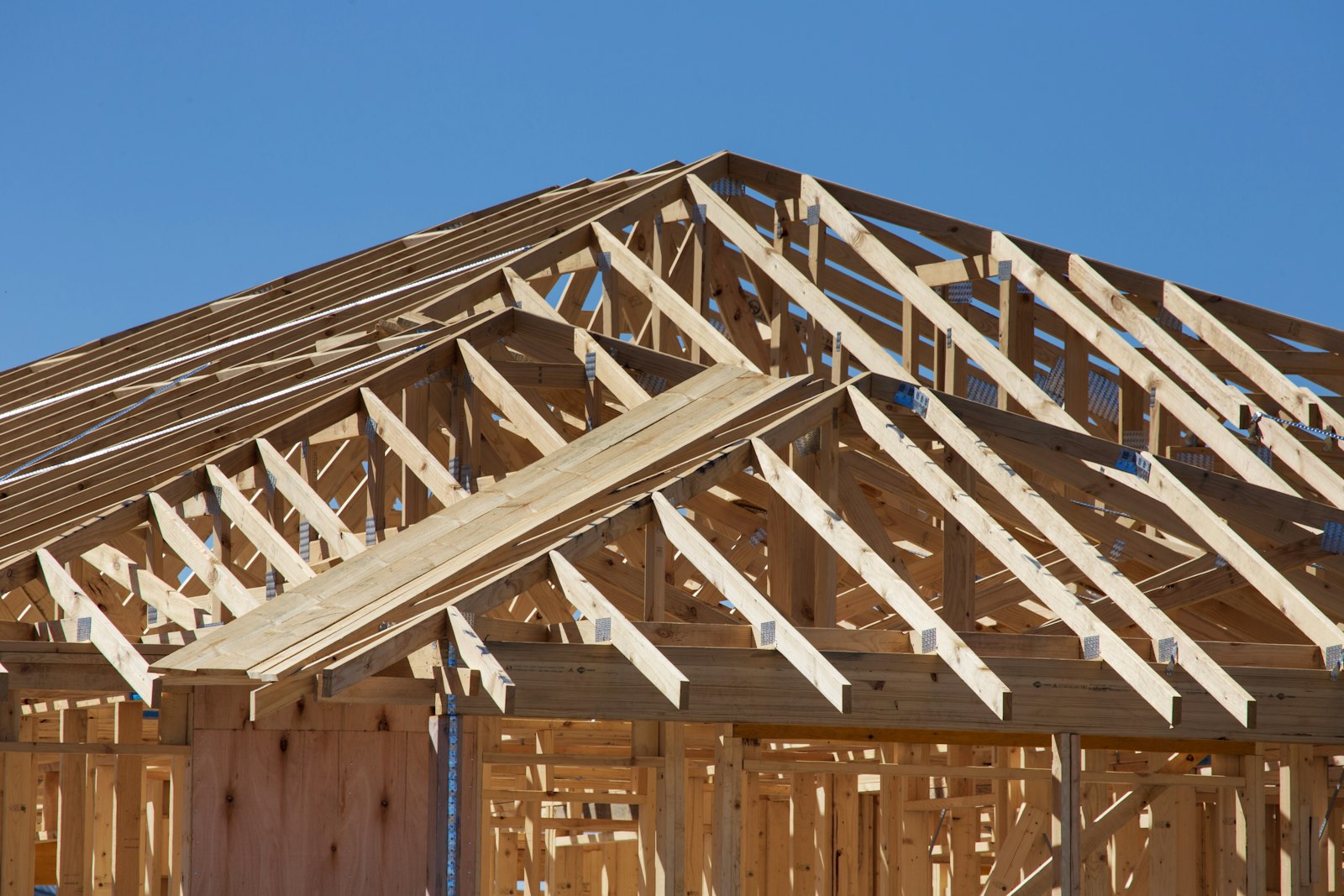
New Construction vs. Resale in Cape Coral: The 5-Year Cost Gap
When buyers compare a new-construction home to an existing resale in Cape Coral, the comparison almost always stops at the purchase price. Resale looks cheaper. The math ends there, the offer goes in, and five years later the numbers tell a very different story.
The honest way to compare the two is total cost of ownership over the time you actually plan to live there. Here is what belongs in that calculation — and why the gap so often closes, and sometimes reverses, well before year five.
Start with the line most buyers skip: insurance
In Southwest Florida, homeowners insurance is not a rounding error. It is one of the largest recurring costs of owning a home here, and it is priced heavily on how the house was built and when.
A new home built to current Florida building code comes with the construction features carriers underwrite most favorably: impact-rated windows and doors, engineered roof-to-wall connections, a new roof with a full documented service life, and current wind-mitigation features. Those details show up on a wind mitigation inspection, and that inspection is what drives credits on your policy.
An older resale may have some of them, all of them, or none. A twenty-year-old roof is a very different conversation with an insurer than a roof with a fresh permit. Before you compare two homes on price, get an insurance quote on both. It is free, it takes a day, and it frequently moves the monthly payment comparison by more than buyers expect.
The maintenance and replacement calendar
Every home has a schedule of major expenses. The only question is where you are standing on that schedule the day you close.
On a new build, the roof, HVAC system, water heater, appliances, and mechanical systems are all at year zero. In the first five years, your expected major replacement cost on those items is essentially nothing.
On a resale, you inherit whatever remains. A ten-year-old air conditioner in Florida is not new — it has been running hard in heat and humidity for a decade. A roof approaching the end of its service life is a known expense with an unknown date. Neither of those is a reason to avoid a resale. They are simply real numbers that belong in the comparison, and buyers routinely leave them out entirely.
Energy costs compound quietly
Current code requires insulation, sealing, and HVAC efficiency standards that older Florida homes were never built to. In a climate where cooling runs most of the year, the difference in monthly utility cost between a code-current home and a 2005-era home is not dramatic in any single month. Over sixty months, it adds up to a number worth putting on the page.
What a warranty is actually worth
A new home from a licensed, insured builder comes with warranty coverage. That coverage is not just a document — it is a defined path for who fixes what, and for how long, if something goes wrong after you move in.
A resale is sold as-is. If the water heater fails in month seven, that is your water heater. Buyers sometimes purchase a third-party home warranty to cover that gap, which is a reasonable step, and also a recurring cost that belongs in the five-year comparison alongside its coverage limits and exclusions.
You can review what our coverage includes on our warranty page.
The costs that run the other way
An honest comparison has to include the places a resale genuinely wins.
Mature landscaping is real value that a new build does not have on day one. Established neighborhoods are established — you can see exactly what you are buying into. A resale may already have a fence, a pool, a screened lanai, and window treatments, all of which are real dollars a new-construction buyer will spend after closing. And a resale is available now, while a build takes time.
Those are legitimate advantages. The point is not that new construction always wins. The point is that a complete comparison includes all of these items on both sides.
How to actually run the numbers
Take both homes and build a simple five-year table. For each one, list the purchase price and monthly payment, the annual insurance premium from an actual quote, expected major replacements in the next five years and their likely cost, estimated monthly utilities, HOA or CDD fees, and the immediate post-closing spend to get the home to the condition you want.
Add it up. Sometimes the resale still wins — that happens, particularly with a well-maintained home in a location you love. But buyers are consistently surprised at how much of the apparent price gap gets consumed by insurance, a roof, an air conditioner, and the finish-out spend nobody budgeted for.
For investors, the same math with an extra column
If you are building a single-family rental portfolio, add two more lines: expected maintenance calls and expected vacancy from turn work. A new home with new systems generates fewer of both in its early years, which affects net operating income, not just sentiment. It is the reason a growing share of Cape Coral rental investors are choosing to build rather than buy existing inventory. You can see how that track works on our investor page.
Do the comparison before you fall in love with a listing
The best time to run this table is before you are emotionally attached to a specific house. Five minutes with a spreadsheet and two insurance quotes gives you a much clearer picture than a price-per-square-foot comparison ever will.
If you would like help building that comparison for a specific home, our team is glad to walk through it with you — including what each of our six floor plans would actually cost to own over five years on your lot or ours. Call 239-224-0371 or reach out here, and we will help you get to a real number.


