
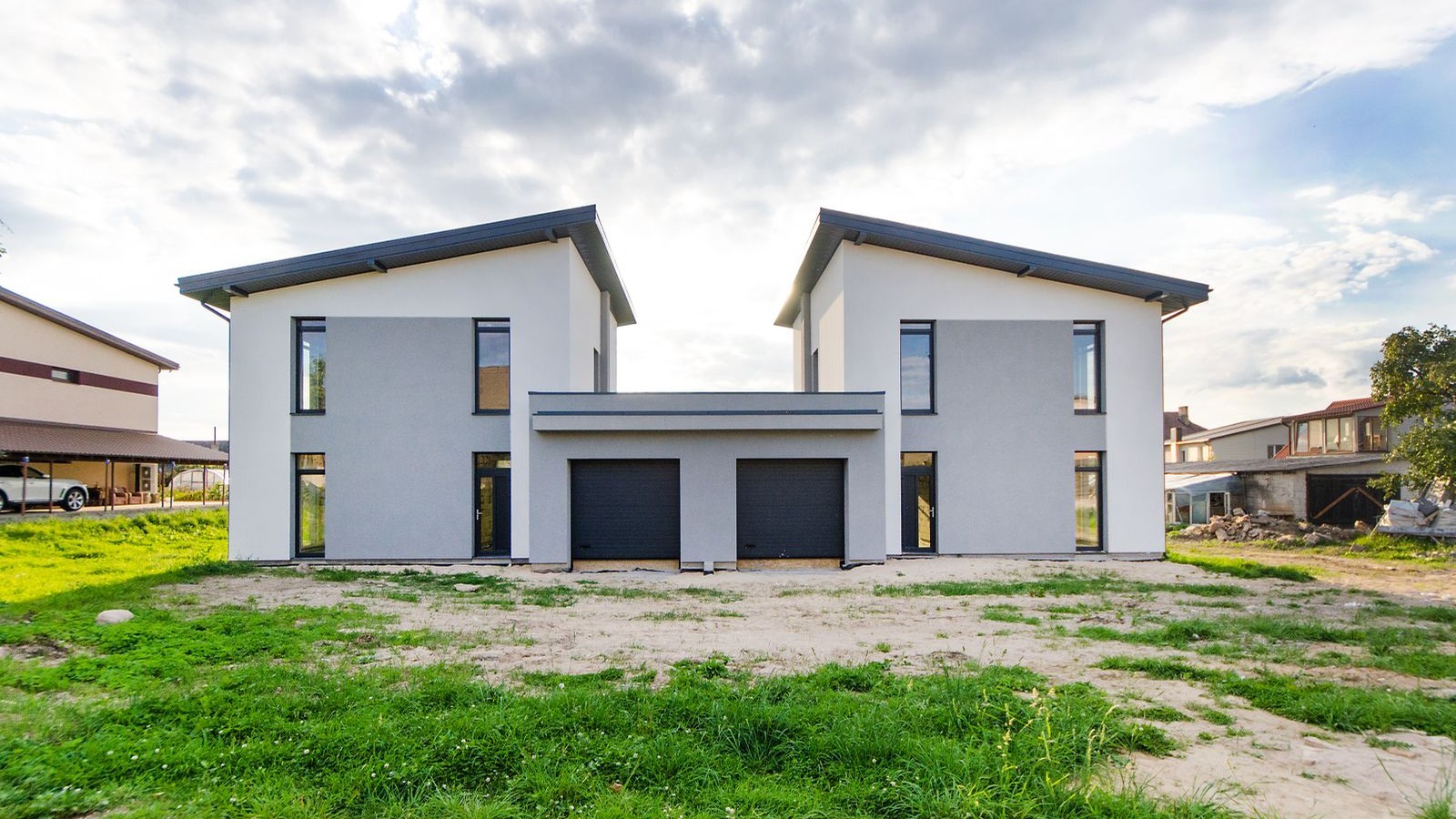
Why Investors Are Choosing New Construction Rentals in Cape Coral: The Vacancy, Maintenance, and Insurance Math
Ask an investor why they bought a 1995 three-bedroom in Cape Coral instead of a new build, and the answer is almost always the same: the older house was cheaper. That's true on the purchase line. It's frequently false everywhere else on the spreadsheet.
Over the last few years, more of the investors calling us have run the full math instead of just the acquisition math — and new construction keeps winning on the three numbers that actually decide whether a rental performs: vacancy, maintenance, and insurance.
Vacancy: newer homes rent faster and turn over less
Vacancy is the most expensive line item in a rental and the easiest one to ignore, because it doesn't show up as a bill. It shows up as a month with no deposit.
A brand-new home in Cape Coral competes for tenants against houses that are twenty and thirty years old. When a family tours both on the same afternoon, the new build wins on the things renters actually notice — a kitchen that doesn't need explaining, a bathroom without a dated vanity, an AC system that isn't making a sound. Faster lease-up on the front end, and fewer "we're moving because the landlord won't fix things" departures on the back end.
Turnover is where the real cost hides. Every turn is a cleaning, usually paint, sometimes flooring, plus the weeks the house sits empty between tenants. A tenant who renews twice instead of leaving after year one can be worth more to your return than a hundred dollars a month in rent.
Maintenance: you're not buying deferred repairs
When you buy a resale rental, you're also buying its remaining component life. That roof has a number of years left. So does the water heater, the AC, the electrical panel, and the plumbing. You just don't know what those numbers are.
On a new build, every one of those systems starts at zero and comes with manufacturer warranties plus the builder's warranty coverage. For the first several years, your maintenance budget is closer to a real budget than a guess.
This matters more in Southwest Florida than most places. Heat, humidity, and salt air are hard on mechanical systems and hard on building envelopes. A twenty-year-old AC here has lived a harder life than a twenty-year-old AC in Ohio.
Insurance: the line that decides the deal
This is the one that has changed the calculus most in Lee County. Florida insurers price on wind mitigation, and wind mitigation is largely a function of when the house was built and to which code.
A home built to current Florida Building Code standards carries the features carriers give credit for: engineered roof-to-wall connections, impact-rated or protected openings, a roof deck fastened to modern specification, and a roof with a documented install date. Older homes may have some of those. Many have none of them, and retrofitting is expensive.
The practical effect for an investor is that two houses with identical rents can have meaningfully different insurance premiums — and insurance is a fixed cost that comes out of net operating income every single year. Investors who model a rental on rent minus mortgage and get surprised in year one are almost always surprised by this line.
How to run the comparison honestly
If you're weighing a resale against a new build in Cape Coral or North Fort Myers, build both columns with the same rows:
- Purchase price and closing costs — where resale usually wins
- Immediate capital expenditure — roof, AC, water heater, flooring, paint. Zero on a new build; often significant on a resale
- Annual insurance premium — get real quotes on both, not estimates
- Annual maintenance reserve — a percentage of rent is a fine rule of thumb, but adjust it for component age
- Expected vacancy — how many days per year, honestly, based on comparable listings
- Expected turnover — how often, and what a turn costs you
Do that and the gap between the two purchase prices usually looks a lot smaller than it did on the listing sheet.
What we build, and who buys it
Douglas Brooke Homes builds new homes across Cape Coral and North Fort Myers, and a meaningful share of them go to investors — some buying a single rental, some building several in one cycle. We're a model home builder, which means you're choosing from proven floor plans rather than designing from scratch. For an investor, that's a feature: known plans mean known costs and a predictable schedule.
We're a licensed and insured Florida builder, and every home comes with warranty coverage from day one. If you're evaluating whether a new construction rental pencils for your portfolio, we're glad to walk through the numbers on a specific plan and lot with you.
Reach out through douglasbrookehomes.com and let's look at the math together.


