
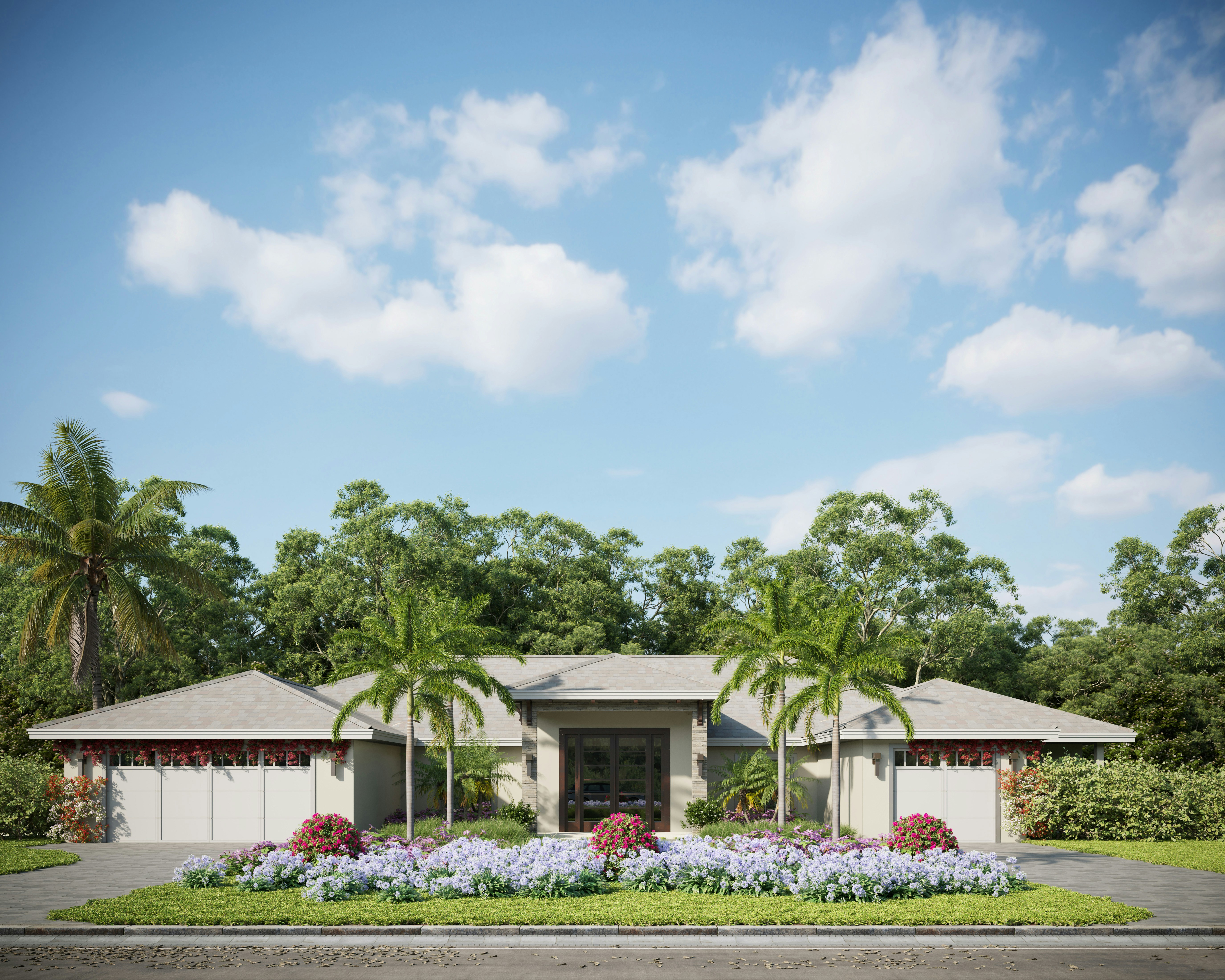
Your First Property Tax Bill on a New Build: How Lee County Assesses New Construction
Closing day on a new Douglas Brooke home is exciting — and then, a few months later, your first property tax bill shows up and the number doesn't always match what you expected. That's normal, and it comes down to how Lee County handles new construction on the tax roll. Here's what's actually happening, so you're not caught off guard.
Why that first bill can look smaller than you planned for
Florida property taxes are based on the value of your property as it existed on January 1 of that year. If your home wasn't substantially complete on January 1 — because it was still under construction, or you hadn't closed yet — the Lee County Property Appraiser can only tax what was actually there: typically the raw or improved lot, not the finished house sitting on it.
That means buyers who close mid-year often get one tax bill that reflects mostly land value, followed by a noticeably larger bill the next year once the completed home is added to the roll. It's not a mistake on the bill — it's just how the assessment timeline works.
When your home actually gets added to the tax roll
Once your home reaches substantial completion, the Property Appraiser's office picks it up for the following January 1 assessment. In practice, if you close and move in partway through the year, the first bill you receive may still be based on the prior January 1 status, and the bill that reflects your finished home as a homeowner won't arrive until the next tax year. Budgeting for that jump — rather than assuming your first bill is your ongoing bill — saves a lot of surprise.
Homestead exemption: the deadline that trips people up
If Cape Coral is going to be your permanent residence, you'll want to file for homestead exemption with the Lee County Property Appraiser. Two things determine eligibility for a given tax year: you have to own and occupy the home as your permanent residence as of January 1, and the application has to be filed by March 1 of that same year.
So if you close on your Douglas Brooke home in, say, June, you won't qualify for homestead for that current tax year — you'll file the following January, ahead of the March 1 deadline, and the exemption applies starting that next year. Mark your calendar as soon as you close; it's an easy deadline to lose track of during move-in.
What homestead exemption actually does for you
Once approved, homestead exemption reduces the taxable (assessed) value of your home, which lowers your bill. On top of that initial reduction, Florida's Save Our Homes provision caps how much your assessed value can increase each year going forward, as long as the home remains your permanent residence. Over time, that cap is often worth more to long-term owners than the exemption itself, since it limits how fast your taxable value can climb even if home values in your area rise faster.
What we recommend at closing
When you close with Douglas Brooke Homes, ask your closing team to walk through what your first bill will likely look like versus your second one, so you can plan your budget accordingly. Then set a reminder for January to file your homestead paperwork with the county — most owners find the Property Appraiser's office straightforward to work with once they know what's needed.
Every Douglas Brooke home comes with the same on-schedule, on-budget process we build every family's home on — and that includes making sure you understand what to expect after the keys are in your hand, not just before. If you have questions about timing your purchase, your tax bill, or anything else about the process, give us a call at 239-224-0371 or reach out here.


